Maintaining good oral health is essential for overall well-being. Dental restorations play a vital role in achieving these goals by repairing damaged teeth, restoring functionality, and improving aesthetics. Understanding the different types of dental restorations available is crucial for making informed decisions about oral healthcare.
In this article, we will explore the various types of direct and indirect dental restorations, along with dental veneers, dental implants, and removable prosthetics, to provide you with a comprehensive understanding of these treatment options.
Direct Restorations
Direct restorations involve placing filling materials directly onto the prepared tooth. These restorations are commonly used for small to medium-sized cavities and minor tooth damage. Let’s delve into the details of the different types of direct restorations:
Composite Fillings
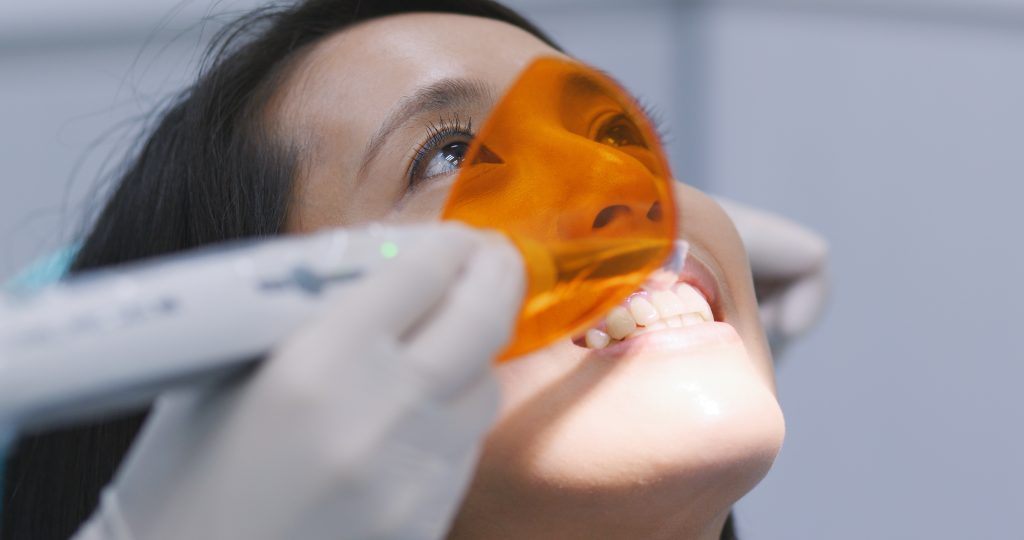
Composite fillings, also known as tooth-coloured fillings, are a popular choice due to their natural appearance. These restorations consist of a mixture of plastic and glass materials. The composite material is applied in layers and hardened with a special light, resulting in a strong bond to the tooth structure. Composite fillings offer versatility in terms of shape and colour matching, making them an excellent option for both front and back teeth. Additionally, they preserve more of the natural tooth structure compared to other types of restorations. However, composite fillings may be more prone to wear and staining over time.
Glass Ionomer Fillings
Glass ionomer fillings are made with a blend of acrylic and glass powders. These restorations chemically bond to the tooth structure, making them suitable for areas with less stress, such as root surfaces and non-biting surfaces of teeth. Glass ionomer fillings have the added benefit of releasing fluoride, which can help prevent tooth decay. They are particularly useful for children or patients with a high risk of cavities. However, glass ionomer fillings may be less durable than other materials and may not withstand heavy biting forces.
Amalgam Fillings
Amalgam fillings have been used for many years and are composed of a mixture of metals, including silver, mercury, and other alloys. They are known for their durability and strength, making them suitable for restoring teeth subjected to heavy chewing forces. Amalgam fillings can withstand high levels of wear and are less likely to fracture compared to other materials. However, their noticeable appearance and concerns about mercury content have led to a decline in their popularity. It’s important to note that amalgam fillings are safe for most individuals, but alternative options may be preferred for aesthetic reasons.
Indirect Restorations
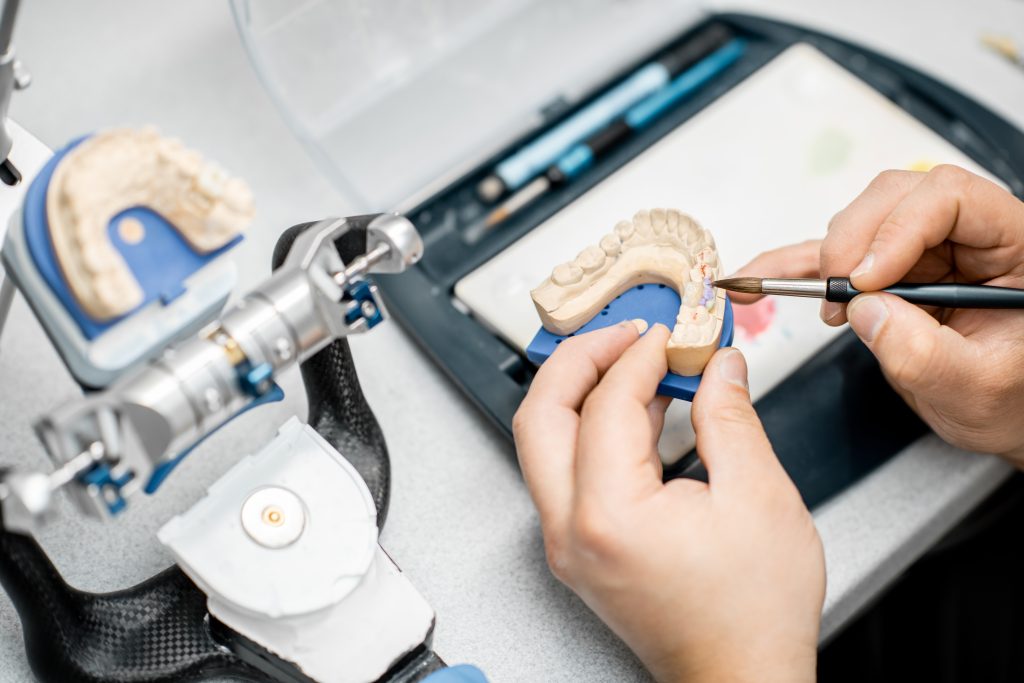
Indirect restorations are fabricated outside the mouth, usually in a dental laboratory, and are later bonded to the tooth structure. These restorations are typically used for larger cavities, extensive tooth damage, or cosmetic enhancements. Let’s explore two popular types of indirect restorations:
Porcelain Veneers
Porcelain veneers are thin, custom-made shells that are bonded to the front surface of teeth. They are an excellent option for improving the appearance of chipped, discoloured, or misaligned teeth. Porcelain veneers offer natural aesthetics, mimicking the translucency and shine of natural tooth enamel. They can effectively address issues such as uneven spacing, irregular shapes, or severe staining.
The process of getting porcelain veneers involves minimal tooth preparation, and the results can be transformative. However, it’s important to note that porcelain veneers may require replacement after a certain number of years and may not be suitable for individuals with significant tooth decay or structural damage.
Dental Crowns
Dental crowns, also known as caps, are restorations that cover the entire visible portion of a damaged tooth. They provide strength, protection, and aesthetics, making them suitable for extensively decayed, fractured, or weakened teeth. Crowns can be made from various materials, including porcelain-fused-to-metal, all-ceramic, or gold. Porcelain-fused-to-metal crowns combine the strength of metal with the natural appearance of porcelain, while all-ceramic crowns offer optimal aesthetics by mimicking the translucency of natural teeth.
Gold crowns are known for their durability and are often used for molars. The choice of crown material depends on factors such as location in the mouth, functional requirements, and aesthetic preferences. Dental crowns can restore the shape, size, and strength of damaged teeth, ensuring proper biting and chewing capabilities. However, the process of receiving a crown may involve some tooth preparation, and the restoration may require periodic maintenance.
Dental Bridges
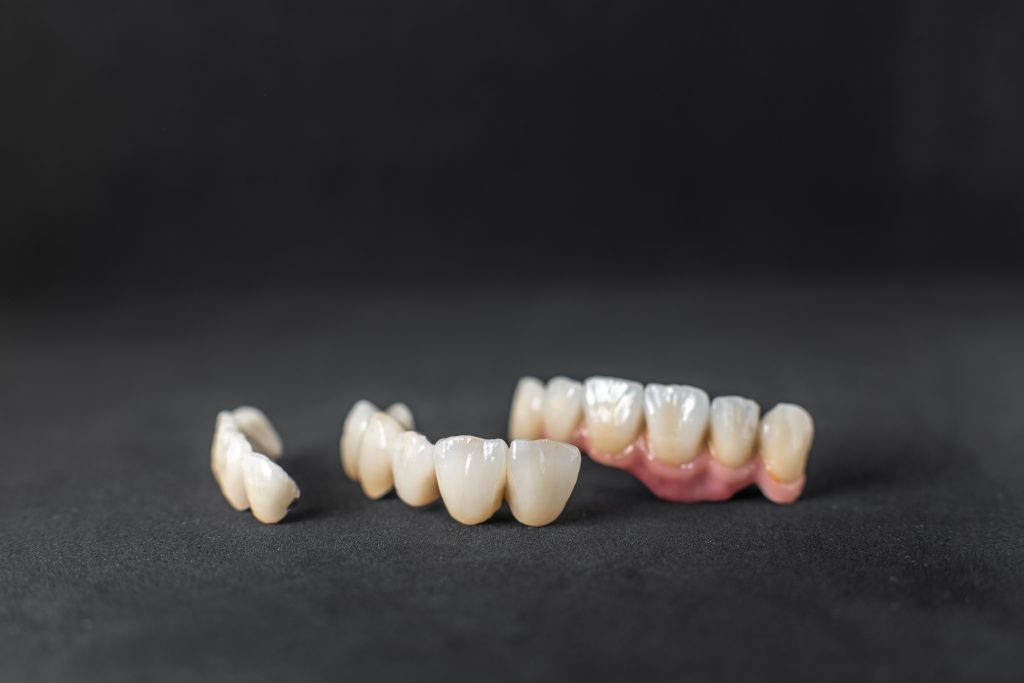
Dental bridges are restorations used to replace missing teeth by anchoring artificial teeth (pontics) to adjacent natural teeth or dental implants. Bridges restore functionality, improve appearance, and prevent adjacent teeth from shifting. They can be made from various materials, such as porcelain-fused-to-metal or all-ceramic, to achieve optimal aesthetics. The procedure for placing a dental bridge involves preparing the adjacent teeth to support the bridge and creating an accurate impression to fabricate the restoration in a dental laboratory. Dental bridges can significantly enhance a smile and improve the ability to speak and chew properly. However, it’s important to maintain good oral hygiene to prevent complications such as gum disease or decay around the supporting teeth.
Dental Implants
Dental implants are permanent, long-term solutions for replacing missing teeth. They consist of titanium or zirconia posts surgically placed into the jawbone to serve as artificial tooth roots. Dental implants provide excellent stability and support for dental restorations, resulting in functional and aesthetically pleasing outcomes. Let’s examine the two common types of dental implants:
Titanium Implants
Titanium implants have been widely used in implant dentistry due to their biocompatibility and strength. The titanium post fuses with the jawbone during a process called osseointegration, ensuring a stable foundation for the artificial tooth. Titanium implants have a high success rate and offer long-term durability. They can effectively replace a single tooth or support multiple teeth using implant-supported bridges or dentures. Titanium implants provide a reliable solution for individuals seeking a permanent tooth replacement option.
Zirconia Implants
Zirconia implants are a newer alternative to titanium implants. They are made from a strong ceramic material known for their excellent aesthetics and biocompatibility. Zirconia implants offer natural-looking results and are particularly suitable for patients with metal allergies or those seeking a metal-free restoration option. Zirconia implants also exhibit low plaque affinity, promoting gum health and reducing the risk of inflammation. While titanium implants have a longer track record, zirconia implants continue to gain recognition as a viable option for tooth replacement.
Removable Dental Prosthetics
Removable dental prosthetics are restorations that can be taken out of the mouth for cleaning and maintenance. They are commonly used to replace multiple missing teeth. Let’s discuss two main types:
Dentures
Dentures are removable replacements for missing teeth and surrounding tissues. They can be full dentures, which replace all the teeth in one or both arches or partial dentures, which replace multiple missing teeth while preserving existing natural teeth.
Full dentures rely on suction or dental adhesives to stay in place, while partial dentures use clasps or precision attachments to secure them to the natural teeth. Dentures can restore chewing functionality, improve speech, and enhance facial aesthetics. They provide a cost-effective option for individuals seeking to replace multiple missing teeth.
However, dentures may require periodic adjustments, relining, or replacement due to changes in the jawbone and gum tissues over time.
Dental Bridges
Removable dental bridges, also known as removable partial dentures, are similar to fixed bridges but can be taken out for cleaning. They consist of artificial teeth attached to a metal or acrylic framework, which clasps onto adjacent teeth for support. Removable dental bridges are an option when dental implants or fixed bridges are not feasible. They can restore aesthetics and functionality by filling the gaps created by missing teeth. However, they may not offer the same level of stability and comfort as fixed restorations.
In summary, dental restorations encompass a wide range of options that can address various oral health concerns. Whether it’s a small cavity or extensive tooth damage, there is a suitable restoration available.
Direct restorations like composite fillings, glass ionomer fillings, and amalgam fillings offer effective solutions for repairing minor tooth damage. Indirect restorations, such as porcelain veneers, dental crowns, and dental bridges, are ideal for larger cavities, extensive damage, or cosmetic enhancements. Dental implants provide a permanent tooth replacement option, with titanium and zirconia implants offering reliable and aesthetically pleasing outcomes.
Removable dental prosthetics, such as dentures and dental bridges, serve as viable solutions for individuals missing multiple teeth. It’s essential to consult with a dentist to determine the most appropriate type of dental restoration based on individual needs and preferences. By understanding the available options, individuals can make informed decisions to restore their oral health and achieve confident, radiant smiles.
Looking to restore your smile? Book an appointment with us here at Oran Park Dental Care or Harrington Park Dental Care today!